07/01/26
Happy New Year! Can you believe it’s now 2026??
While the rest of the world is getting to grips with this fact, those of us in Self-Assessment Tax Land are busy fumbling around in desk drawers and down the back of the sofa for receipts dated 2024.
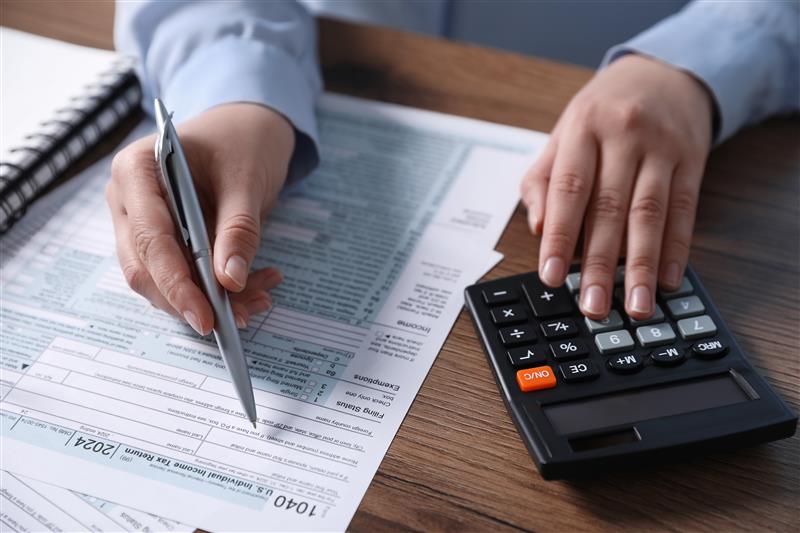
If you’re in this boat, you’ll know why: it’s time to file your online self-assessment tax return! And if you haven’t done it yet, the deadline of midnight on January 31st 2026 is fast approaching.
Never fear, though, because the team at CTT Accountancy is here to help you get through it all unscathed. Here’s what you need to know…
Do I need to file a self-assessment tax return?
If you’re self-employed or you’ve earned extra income from a successful side project or investment in the last tax year (which ended in April 2025), you may be required to complete a self-assessment tax return.
This is to ensure you’ve paid the correct amount of income tax on your earrings to HMRC. It’s also an opportunity to take advantage of any business reliefs you may be entitled to.
Thanks to the trading allowance, you are allowed to earn up to £1,000 tax-free in any given tax year, so if this applies to you, you will only need to fill in a self-assessment tax return if you want to pay voluntary class 2 National Insurance Contributions (NIC). Doing this protects your state pension entitlement and access to certain benefits.
If you have received additional income from other sources in the last tax year, including rental from land or property, earnings from investments, trusts, or dividends, or have exceeded your pension allowances, you may also need to file a self-assessment return. A full list of qualifying circumstances can be found on the government website.
The deadline for paper tax returns was October 31st 2025 and is now closed. It’s not too late to file your online tax return though! If anything, filing an online return is good practice for the government’s new Making Tax Digital (MTD) initiative, which starts to come into effect as of April 2026.
This new system will require all self-employed people and business owners to keep digital records of their income and expenses and submit these to HMRC every three months using approved software.
I missed the 2024/2025 deadline – help!
If you’re reading this post midnight on January 31st 2026 and have yet to file your self-assessment tax return, you’ve officially missed the deadline – but don’t panic!
Although it’s not an ideal situation, coming clean with HMRC and filing your tax return as soon as possible still minimises the cost and ramifications of it being late.
Fines for late returns start with a fixed penalty; this is then followed by daily penalties for every day your tax return is outstanding. These cumulative charges also have interest added to them. If HMRC still hasn’t received your self-assessment tax return by the end of February, you will then receive another fixed penalty – so time really is of the essence!
It’s worth noting that, in addition to late submissions, incorrect or inaccurate returns can also incur costs.
If you’re confused or concerned about completing your tax return, or unsure how to proceed with filing an overdue return, get in touch with us at CTT Accountancy for personalised support and advice – we’re here to help!
How do I register for income tax self-assessment?
If this is your fist ever self-assessment tax return, you’ll need to register with HMRC to get your Unique Taxpayer Reference (UTR) before you can file an online return. If you haven’t done this yet, the deadline to register for the 2024/2025 tax year closed on 5th October 2025, but if you contact HMRC urgently, they may still be able to help with registering you online.
Once you have your 10-digit UTR (it usually arrives via post within three weeks of applying) you’ll be able to sign into your Government Gateway account – your online portal for paying and managing your tax bills – and complete your submission.
What paperwork do I need to file my 2024/2025 self-assessment tax return online?
Having everything ready before you begin your tax return saves you time and stress; if you’re the sort of person who files paperwork in shopping bags (you know who you are!), this might also be a good time to seek professional accountancy help!
Depending on your circumstances, the following documents could be helpful:
- Your 10-digit UTR number
- National Insurance number
- Receipts of expenses if you are self-employed
- Details of all sources of income
- P60 or P45 form
- Details of taxable benefits
- Information about pension contributions
- Any correspondence you have received from HMRC
Am I entitled to any tax allowances and reliefs?
Tax reliefs are available to individuals and business owners to help you write off some of the expenses associated with running and maintaining your business. Examples of these include allowable business expenses, tax relief on charitable donations, and deductions for certain training or professional development costs.
There are also several targeted reliefs available depending on your circumstances. Capital allowances are available to businesses that purchase equipment, machinery, or vehicles for work purposes, allowing you to deduct some or all of the cost from your taxable profits.
Research and Development (R&D) tax relief applies to companies working on innovative new products or processes, specifically projects that seek an advancement in science or technology. If you sell or close a business, Business Asset Disposal Relief may also be used to reduce the Capital Gains Tax payable on qualifying disposals.
These reliefs are well worth exploring with the help of an accounting professional to maximise your benefits and help reduce the amount of tax you owe. At CTT Accountancy, we review your individual circumstances and help identify which reliefs you can legitimately claim, ensuring you remain compliant while minimising your tax liability. Speak to a member of the team today to find you more.
Filling in your tax return online and paying HMRC
Got all the documentation and relief information you need to complete your return? You’re ready to start filling in your online tax return form! It’s important you complete the form fully and accurately to avoid unnecessary penalties. Although this can be a tedious process, the system lets you save your progress, so you can take a break and come back to it later.
Within three days of submitting your completed form, you’ll receive a digital statement from HMRC into your Government Gateway account. It outlines what you owe in tax and the payments you need to make in the ‘Becoming due’ section of this statement.
As well as the tax payment that’s due for the 2024/2025 tax year, you’ll also find details in this section of the ‘payments on account’ due for the coming tax year. These are based on how much tax you’ve had to pay in the previous year.
There are various ways to make payments to HMRC; these can be found on the government website.
Good luck with your tax return! And remember: the CTT Accountancy team is always on hand with help and advice, no matter what queries or problems you have along the way. Get expert help with your online tax return here.
 Written By